
Just Transition in NDCs: Creating Opportunity Through Climate Action
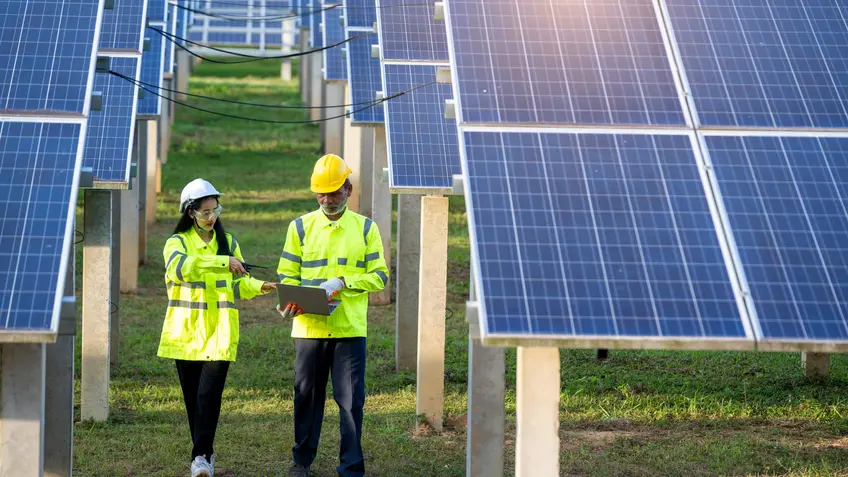
A just transition focuses on protecting workers, supporting affected communities and ensuring equitable access to the opportunities created through the low carbon transition. This includes developing green skills, promoting green jobs and decent work, strengthening social protection systems and creating meaningful opportunities for stakeholder participation and social dialogue.
But what does a just transition look like in practice, and where do countries still need support?
A new insight brief and best practice brief highlight growing demand for and persistent gaps in just transition-related support to countries and present strategies countries can use to tailor-make a just transition.
Key findings include:
Most developing country members of the NDC Partnership are seeking just transition support, but gaps in support remain.
Eighty-three developing countries — 79% of countries requesting support through the NDC Partnership — have submitted 314 just transition-related requests. These requests cover a wide range of activities, from reskilling workers and conducting sectoral assessments to designing social protection measures and engaging labor groups and affected communities. 38% of these requests remain unsupported.
Most requests focus on crosscutting challenges rather than single sectors, which reflects that countries are engaging the whole-of-society in just transition efforts. Where sectors are specified, energy, agriculture and industry are the most common. Many requests center on capacity development, studies and analyses, stakeholder engagement and public awareness — essential activities for shaping just and inclusive actions defined in Nationally Determined Contributions (NDCs).
Countries are prioritizing green skills, participation and social protection.
Green skills development represents more than half of all just transition requests, with countries seeking support to prepare their workforces for emerging sectors and technologies. Participatory processes and social dialogue also feature prominently, as governments work to involve workers, labor unions, employers, civil society and vulnerable groups in decision-making. Countries are also requesting support to strengthen social protection systems and pursue pathways to green jobs and decent work.
However, significant support gaps remain, particularly for data collection, monitoring systems and the capacity needed to design and implement tailored just transition strategies.
With NDC Partnership support, countries can advance just, equitable climate action.
The insight brief identifies four key areas where the NDC Partnership can help countries integrate just transition considerations into NDC planning and implementation:
- Engage the whole of government by strengthening coordination across ministries and between national and subnational institutions.
- Leverage the whole of society, including private sector actors, employers, labor groups, marginalized communities and other stakeholders through participatory processes and social dialogue.
- Improve data availability and quality –– including for the informal economy –– by supporting studies, assessments and the institutionalization of data collection as part of NDC implementation and tracking.
- Adapt just transition approaches to local contexts through tailored support that responds to country-specific needs and workforce dynamics.
Real-world experience shows how countries can lead a just transition.
To help countries move from commitment to action, the best practice brief presents seven strategies, each adaptable to national context and circumstance: establishing procedural justice mechanisms that give impacted communities a real voice, identifying priority sectors or goals to guide the transition, sharing costs and benefits fairly, strengthening the institutional arrangements needed to coordinate action, ensuring policy coherence across ministries and levels of government, mobilizing dedicated finance and building monitoring and evaluation systems to track progress and course correct. While many countries are already pursuing elements of this agenda, the briefs show that sustained, coordinated support is needed to turn these elements into coherent, people-centered climate action.
As countries implement their NDCs, ensuring a just transition will be central to building resilient economies and inclusive climate policies. The NDC Partnership will continue working to scale and close gaps in support for a low carbon future that creates long-term opportunities for all.
Read the full “Insight Brief: Just Transition in NDCs” for detailed findings and recommendations and the “Best Practice Brief: Incorporating Just Transition into Climate Action” for strategies and country examples.