
Zero Waste in NDCs: Five Priorities for Unlocking Implementation
The COP31 Action Agenda lists zero waste among its 10 priority areas, with a target to halve global waste growth by 2035. That ambition is reflected in country demand. Since 2018, 82 countries have requested zero waste-related support through the NDC Partnership. Most of these requests focus on building a circular economy, followed by reducing waste-related methane and eliminating food waste and loss.
A new insight brief from the NDC Partnership Support Unit shows where country demand on zero waste is emerging, the barriers to implementation and the conditions needed to scale action. It combines an analysis of these support requests with insights from 16 organizations working on zero waste. The recommendations below provide a snapshot of the findings.
While priorities differ across countries, the brief points to common challenges and opportunities. Delivering on zero waste commitments will require engagement across the entire supply chain, stronger integration into local planning processes, more effective financial incentives, improved investment readiness and access to finance.
Engaging the Entire Supply Chain
Many zero waste interventions center on managing waste after it has been generated. Yet much of the opportunity to reduce emissions, improve resource efficiency and limit environmental impacts lies earlier in the supply chain.
A circular economy perspective broadens the focus from downstream waste management to how materials are designed, produced, consumed and reused, reducing waste generation at the source while improving resource productivity across sectors. Greenhouse gas hotspot assessments, for example, help pinpoint where emissions are concentrated across sectors, activities and value chains, helping to prioritize circular economy measures with the greatest mitigation impact.
Circular economy approaches account for the largest share of zero waste requests for support, and among circular economy requests, renewable energy and cities are the most common topics compared to other areas of NDC support.
Policy Solutions for Capacity and Continuity
Many zero waste solutions are implemented at the local level, where municipalities that manage waste systems often face constraints related to capacity, resources and institutional continuity.
Integrating zero waste objectives into urban planning processes and broader development and infrastructure planning can strengthen policy coherence, support long-term implementation and maintain progress across leadership transitions.
Voluntary pledges and agreements can also accelerate implementation where regulatory approaches are difficult to enact or implement, by creating incentives for waste reduction and encouraging investment in circular solutions. Plastics and packaging agreements, for example, have helped drive single-use plastics out of the market while increasing recycling and resource recovery.
Aligning national bioeconomy strategies with NDCs and Long-Term Low Emission Development Strategies (LT-LEDS) helps connect zero waste goals with broader economic, climate and development priorities.
Financial Incentives for System Change
In many contexts, producing and disposing of waste is relatively inexpensive, while financial incentives for reuse, recycling and waste reduction are limited. These conditions make it difficult for alternative approaches to compete, despite well-established environmental and social benefits.
Economic instruments, such as targeted fees and bans on certain kinds of waste disposal, can help shift consumer behavior and strengthen markets for circular solutions.
Incentives are particularly important for waste-related methane reduction measures, which remain underdeveloped within the zero waste portfolio. Requests for support related to waste-related methane account for the smallest share of the core zero waste themes, and 71% remain unsupported.
Investor Confidence
Access to finance is linked to reliable data, clear market signals and investable project pipelines. Limited market information, uncertain revenue streams and weak monitoring systems make it difficult to demonstrate that zero waste initiatives are viable.
Documenting successful initiatives and sharing lessons across projects can strengthen investor confidence. At the same time, developing bankable projects can help attract both public and private finance.
The analysis of requests for support reflects these opportunities. Developing bankable projects and pipelines is the most frequently requested form of support within the zero waste portfolio. However, requests related to data collection and monitoring systems are also more common than in other areas of NDC support.
Financing and Scaling Solutions
Financing and coordination challenges limit the scale of many zero waste initiatives. Many projects operate on a small scale and in isolation, limiting efficiency gains and investment.
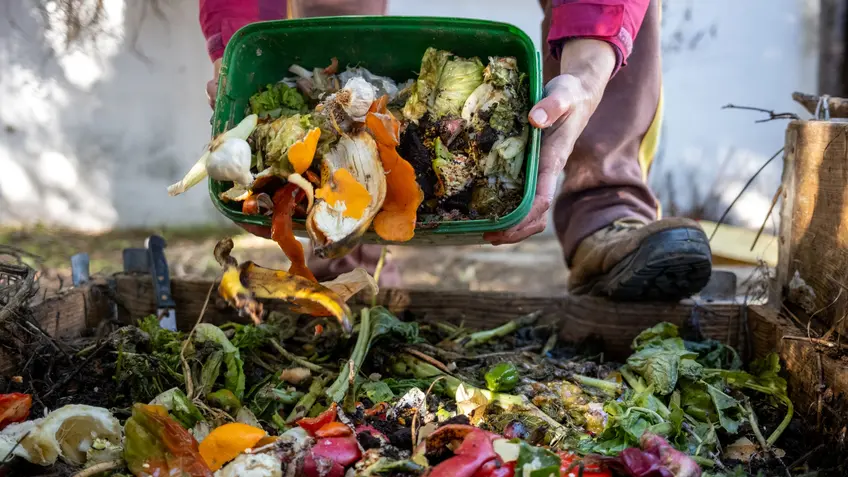
Organic waste management, for example, has numerous localized projects that often lack the financing and coordination needed to scale.
Mechanisms and instruments such as extended producer responsibility and blended finance can help address this challenge by creating more predictable sources of funding and reducing overall investment risk.
The Road Ahead
Zero waste is emerging as a practical and investable climate priority for countries working to develop, implement and finance their NDCs. Requests submitted through the NDC Partnership show strong and growing country demand. Yet support gaps remain significant.
Looking ahead, the NDC Partnership can use these insights to target support where demand is high and gaps are greatest: developing bankable project pipelines, scaling city and subnational solutions, strengthening upstream circular economy approaches and directing finance toward waste avoidance, organic waste management and methane reduction. By helping countries translate zero waste priorities into investable actions, the NDC Partnership can support more effective NDC implementation while advancing climate mitigation, adaptation co-benefits, economic opportunity and more resilient circular systems.
Explore the insights in "Zero Waste in NDCs."